Introduction
If you searched for Best Title: Debit Card: What It Is, How It Works, and How to Choose the Right One, you are likely trying to answer a very practical question: which card gives you the easiest access to your money without trapping you in unnecessary fees, weak fraud protection, or the wrong banking features. That decision matters more than most people think, because the wrong debit card can quietly cost you through overdrafts, ATM charges, poor app controls, and limited customer support.
At Trusted High Risk Merchant Account, we work with businesses and consumers who care about payment reliability, account stability, and risk management. We see the same pattern again and again: people choose a debit card based on the bank logo or a signup bonus, then realize later that daily limits, foreign transaction fees, and dispute rules affect real life far more than the marketing headline did.
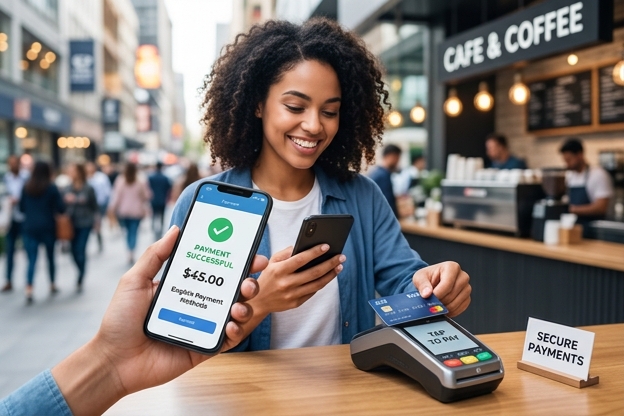
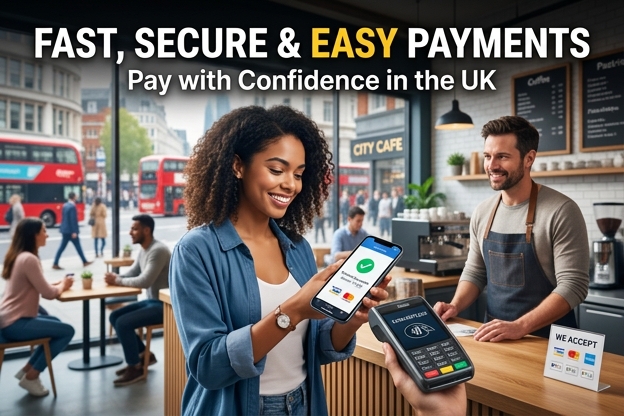
A debit card is a payment card linked directly to a checking account or demand deposit account. When you use it, the money is typically pulled from your available balance almost immediately. It can be used for in-store purchases, online payments, ATM withdrawals, and in many cases mobile wallet transactions such as Apple Pay or Google Pay.
The best debit card is not the one with the loudest advertising. It is the one that fits how you spend, how often you travel, how much cash you keep in your account, and how much control you want over security settings.
Table of Contents
- What a debit card is and why it matters
- How debit cards work behind the scenes
- Where debit cards fit among other payment options
- Benefits that make debit cards useful
- Drawbacks, fees, and hidden tradeoffs
- How to choose the right debit card
- Security, fraud prevention, and smart habits
- Real-world lessons from Trusted High Risk Merchant Account
- What is changing in debit cards through 2026
What a Debit Card Is and Why It Matters
A debit card gives you direct access to money you already have. That sounds simple, but the implications are important. Unlike a credit card, which lets you borrow from a lender and pay later, a debit card usually limits spending to the cash in your account plus any overdraft arrangement your bank offers.
For many households, that makes debit cards easier to manage. There is no revolving balance, no interest rate on normal purchases, and less temptation to spend beyond a monthly budget. According to the Federal Reserve’s 2024 Diary of Consumer Payment Choice, debit cards remained one of the most frequently used payment methods for routine consumer spending, especially for everyday categories like groceries, fuel, and fast casual purchases. That continued usage says a lot: consumers still trust debit for speed and control.
Debit cards also matter because they sit at the intersection of banking and payments. Your card is not just plastic in your wallet. It is a tool connected to ATM networks, card processors, fraud systems, mobile wallet ecosystems, peer-to-peer transfers, and in many cases your paycheck through direct deposit.
Common places people use debit cards
- Grocery stores and gas stations
- Online subscriptions and ecommerce purchases
- Restaurant payments and delivery apps
- ATM cash withdrawals
- Travel spending for hotels, transit, and quick-service purchases
- Digital wallet tap-to-pay transactions
How Debit Cards Work Behind the Scenes
When you swipe, insert, tap, or enter your card online, the transaction usually follows a straightforward path. The merchant sends the payment request through the card network, your bank checks whether the transaction appears valid and whether funds are available, and then it approves or declines the purchase. In many cases the transaction first shows as a pending authorization and later settles as a posted charge.
Some purchases can feel larger than expected because of authorization holds. Gas stations, hotels, car rental companies, and restaurants may temporarily hold more than the final amount. If your checking balance is tight, those holds can create stress even when the final posted transaction ends up lower.
PIN-based transactions and signature transactions may route differently depending on the merchant and network rules, but for most users the main takeaway is simple: debit spending can affect your cash balance right away, and available funds matter more than they do with credit cards.
What happens during a typical debit purchase
- You tap, insert, swipe, or enter the card details online.
- The merchant sends an authorization request through its payment processor.
- Your bank checks account status, balance, card controls, and fraud signals.
- The transaction is approved, declined, or flagged for review.
- A pending hold may appear before the final amount posts.
- The purchase settles, and the money is removed from your account.
Where Debit Cards Fit Among Other Payment Options
Debit cards are often grouped together with credit cards and prepaid cards, but they solve different problems. A debit card is best when you want direct access to your bank funds and a built-in budget boundary. Credit cards are stronger for rewards, travel protections, and building credit. Prepaid cards can help with spending limits or financial access for people who do not want a traditional checking account.
The right choice depends on behavior, not hype. If you pay close attention to your balance and want to avoid debt, debit can be ideal. If you need chargeback leverage, richer perks, or stronger travel benefits, credit may be better for certain transactions.
| Payment Option | Best Use Case | Main Cost or Risk | Typical Real-World User |
|---|---|---|---|
| Bank debit card | Daily spending and cash access | Overdrafts, ATM fees, faster cash outflow | A salaried employee managing weekly expenses |
| Rewards credit card | Travel, large purchases, rewards earning | Interest charges if balance is not paid in full | A frequent traveler with disciplined repayment habits |
| Prepaid debit card | Controlled spending without a checking account | Reload fees, fewer features, limited protections | A teen or budget user needing firm spending caps |
| Business debit card | Operational spending and ATM access | Weaker separation if controls are poorly managed | A small business owner paying vendors and staff incidentals |
“A debit card is a cash-flow tool, not a rewards strategy. Use it where immediacy and control matter most, and use other payment tools where protection or float matter more.”
Benefits That Make Debit Cards Useful
Debit cards continue to win on simplicity. If your goal is to keep spending grounded in available funds, few tools do it better. You get a broad acceptance footprint, easy ATM access, and direct visibility through your banking app.
The strongest advantages usually include:
- No revolving interest: You are spending money you already have.
- Budget discipline: It is harder to build long-term debt through routine use.
- Fast access: Debit cards work in stores, online, and at ATMs.
- Banking integration: Alerts, balances, and controls sit in one app.
- Useful for younger users: They can help teach spending boundaries.
There is also a psychological benefit. Many people find it easier to manage money when each purchase immediately affects the bank balance they see every day. For households recovering from debt or trying to stick to a strict spending plan, that immediate feedback can be more effective than waiting for a monthly statement.
Drawbacks, Fees, and Hidden Tradeoffs
Debit cards are not automatically the safest or cheapest option in every scenario. Their biggest weakness is that fraud can affect your actual cash position, not just a line of credit. If your account is hit by unauthorized charges, you may temporarily lose access to funds while the issue is investigated.
Another issue is fee stacking. A card marketed as free can still cost you through out-of-network ATM fees, overdraft charges, foreign transaction fees, minimum balance requirements, and account maintenance fees. According to Consumer Financial Protection Bureau reporting in 2024, overdraft and nonsufficient funds policies remained a major consumer pain point despite ongoing industry pressure to reduce surprise charges.
Some debit cards also offer fewer benefits than credit cards. You may see limited purchase protection, weaker travel coverage, fewer rewards, and less flexibility for disputes involving damaged goods or merchant conflicts.
Red flags to check before choosing a debit card
- Overdraft opt-in language that is easy to miss
- High foreign transaction fees for travel or cross-border shopping
- Limited ATM reimbursement outside the bank’s network
- No real-time fraud alerts or card lock features
- Poor dispute response times and weak support reviews
How to Choose the Right Debit Card
The best way to choose a debit card is to match card features to your actual money habits. Do not start with branding. Start with behavior.
Questions worth asking before you apply or switch
Ask yourself the following:
- Do you regularly withdraw cash, or do you rarely visit an ATM?
- Do you travel internationally or buy from foreign merchants?
- Do you keep a cushion in checking, or are you vulnerable to overdrafts?
- Do you want budgeting tools, savings roundups, or family controls?
- How important are branch access and live customer service?
Features that often separate an average debit card from a strong one
Look for real-time transaction alerts, the ability to freeze and unfreeze the card instantly, broad ATM access, low or no foreign transaction fees, clean dispute procedures, and mobile wallet compatibility. If the account includes early direct deposit or fee-free overdraft buffers, those can also add practical value.
According to J.D. Power’s 2025 U.S. Direct Banking Satisfaction Study, customer satisfaction rises when digital banking tools make account control feel immediate and transparent. That matters for debit users more than almost anyone else, because debit management depends on knowing exactly what is happening with your cash in real time.
A practical decision framework
- Review your last 60 to 90 days of spending.
- List how often you use ATMs, travel, and shop online.
- Compare fee schedules, not just promotional pages.
- Test the mobile app reviews for alerts, freezes, and dispute handling.
- Pick the card that reduces friction in your most common transactions.
“The right debit card is the one that protects your routine. Consumers usually regret cards that look good in ads but fail at ATM access, notifications, and dispute speed.”
Security, Fraud Prevention, and Smart Habits
Security is where debit card users need to be disciplined. Fraud on a debit card can create a direct cash squeeze, so prevention matters more than most people realize. The Federal Trade Commission noted in 2024 that text-based impersonation scams and fake fraud alerts continued to be major attack methods. That means your debit card safety is not only about chip technology. It is also about how you respond to messages, links, calls, and account prompts.
Strong habits make a measurable difference:
- Turn on instant transaction alerts.
- Use card lock controls when the card is not in use.
- Avoid debit card storage on unfamiliar websites.
- Use credit instead of debit for high-risk merchants when possible.
- Monitor pending transactions, not just posted ones.
- Report a lost card immediately.
You should also understand your bank’s liability and reporting rules. Faster reporting usually means stronger protection. Waiting several days after noticing suspicious activity can complicate reimbursement timelines.
Real-World Lessons From Trusted High Risk Merchant Account
I have seen firsthand that debit card issues are rarely theoretical. At Trusted High Risk Merchant Account, we worked with an ecommerce operator who ran a seasonal product business and relied heavily on a personal debit card for business incidentals, software renewals, shipping overages, and ad testing. On paper, it seemed convenient. In practice, authorization holds and stacked subscriptions created serious cash visibility problems.
I advised the client to separate operating expenses, move recurring software charges to a dedicated payment method, and reserve the debit card for immediate, controlled expenses such as local pickups and capped staff purchases. Within one billing cycle, the client had fewer failed payments, fewer surprise declines, and a much clearer picture of true working capital. The lesson was not that debit cards are bad. It was that they work best when tied to a purpose.
In another case, I helped a business owner who traveled often for trade events. He used the same debit card for hotel incidentals, airline add-ons, meals, and emergency cash. During one event week, multiple holds hit at once, and the available balance dropped enough to disrupt vendor payments. We restructured his setup so that travel bookings shifted to a rewards credit card, while his debit card remained linked to a tightly managed operating account for ATM access and local expenses. That one change reduced stress almost overnight.
These cases shaped how we advise clients: use debit cards where liquidity control and immediate funding matter, but do not force them to do jobs better handled by other payment tools.
What Is Changing in Debit Cards Through 2026
Debit cards are getting more capable, but also more demanding. Banks are adding stronger in-app controls, smarter alerts, and tighter wallet integration. Consumers now expect to freeze a card in seconds, approve or deny suspicious activity instantly, and classify spending without opening a spreadsheet.
At the same time, the pressure is rising on institutions to make fees clearer and fraud handling faster. More issuers are reducing overdraft charges, improving early pay access, and refining dispute experiences. That is good news, but it does not mean all cards are equal. The gap between a strong debit program and a weak one is getting wider, not narrower.
Another trend worth watching is how debit cards fit into a broader financial stack. More people now pair a checking account and debit card with a high-yield savings account, a separate travel credit card, and app-based budgeting tools. Debit is still central, but it is increasingly part of a multi-tool money system rather than the only card in a wallet.
Conclusion
A debit card is one of the most practical payment tools available, but only when it matches how you actually use money. The right card should help you spend from available funds, reduce avoidable fees, support fast account visibility, and protect you with strong controls when something goes wrong. The wrong card can create overdrafts, hold-related cash stress, and frustrating customer service at exactly the moment you need help.
Trusted High Risk Merchant Account recommends three practical next steps:
- Review your current debit card’s full fee schedule and mobile security features today.
- Match your card to your habits by separating daily spending, travel spending, and business spending.
- If your current setup causes balance confusion or repeated fees, switch to a debit card with better alerts, broader ATM access, and clearer account controls.
References
- Federal Reserve, 2024 Diary of Consumer Payment Choice — Provided current data on how often consumers continue to use debit cards for everyday payments.
- Consumer Financial Protection Bureau, 2024 consumer banking and fee reporting — Highlighted ongoing consumer concerns around overdraft policies and related account charges.
- Federal Trade Commission, 2024 scam and fraud trend reporting — Supported the discussion around impersonation scams, fraud alerts, and account security risks.
- J.D. Power, 2025 U.S. Direct Banking Satisfaction Study — Reinforced the importance of digital controls, transparency, and app-based account management for cardholders.
FAQ
What is a debit card and how is it different from a credit card?
-
A debit card pulls money directly from your checking account, while a credit card lets you borrow money from the issuer and pay it back later. Debit is often better for budget control, while credit is often stronger for rewards, purchase protection, and travel benefits.
How do debit card authorization holds work?
-
An authorization hold is a temporary amount placed on your account before the final charge settles. Hotels, gas stations, and car rental companies are common examples. The hold can reduce your available balance for a short period, even if the final transaction ends up smaller.
Is a debit card safe for online shopping?
-
Yes, but you should be selective. Debit cards work well online when your bank offers strong security features. For safer use:
-
Turn on instant transaction alerts
-
Use trusted merchants and secure checkout pages
-
Avoid saving your card on unfamiliar websites
-
Use a credit card instead for higher-risk or high-ticket purchases when possible
What fees should I check before choosing a debit card?
-
The biggest fee categories to review are:
-
Monthly maintenance fees
-
Overdraft and nonsufficient funds charges
-
Out-of-network ATM fees
-
Foreign transaction fees
-
Replacement card and expedited delivery fees
How do I choose the right debit card for travel?
-
For travel, prioritize a debit card with low foreign transaction fees, broad ATM access, card freeze controls, and strong fraud monitoring. Many travelers also keep debit for cash withdrawals and use credit for hotels, airfare, and larger bookings.
Why is “Best Title: Debit Card: What It Is, How It Works, and How to Choose the Right One” an important question for consumers?
-
It matters because the “right” debit card affects more than payments. It shapes your day-to-day money management through:
-
Fee exposure
-
ATM convenience
-
Fraud response speed
-
Budget discipline and cash visibility
Can a debit card help with budgeting?
-
Yes. A debit card can be a strong budgeting tool because purchases usually reduce your available balance right away. That immediate feedback helps many people stay closer to spending limits than they do with monthly-billed credit cards.
Should business owners use the same debit card for personal and business spending?
-
Usually, no. Keeping personal and business spending separate improves bookkeeping, reduces confusion around cash flow, and makes fraud or dispute reviews much easier. For most owners, a dedicated business account and business debit card are the cleaner setup.