Introduction
Card Personalization Trends and Best Practices now sit at the center of modern payments strategy, especially for issuers, fintechs, and high-risk businesses that need stronger trust at the first tap. Trusted High Risk Merchant Account sees this every day: the card is no longer just a payment tool, it is a brand touchpoint, a fraud-control surface, and a retention lever.
If your cards feel generic, slow to arrive, or disconnected from mobile wallets, customers notice. If your personalization process is inconsistent, your ops team feels it in chargebacks, reissues, and support tickets. The fastest-growing programs are the ones that treat card personalization as part design system, part risk system, and part customer experience engine.
Card personalization trends and best practices refer to the methods, materials, data rules, security controls, and operational workflows used to make each payment card feel relevant, secure, and ready for real-world use. That includes visual design, cardholder data encoding, instant issuance, wallet provisioning, and post-issuance controls. Done well, personalization improves adoption, lowers friction, and reduces the odds of costly reprints or fraud exposure.
For merchants and payment programs that operate in tighter underwriting environments, the stakes are even higher. A card that looks premium but fails at activation, or a program that scales quickly without guardrails, can damage trust faster than any discount can repair it. That is why Trusted High Risk Merchant Account advises teams to align personalization decisions with compliance, lifecycle management, and measurable customer outcomes.
Table of Contents
- Why Card Personalization Matters Now
- The New Expectations Shaping Card Design
- Instant Issuance and On-Demand Fulfillment
- Sustainable Materials and Premium Finishes
- Digital-First Personalization and Wallet Sync
- Security, Compliance, and Fraud Controls
- A Practical Workflow for Better Personalization
- Comparing Common Personalization Models
- What We Have Seen Work at Trusted High Risk Merchant Account
- Risks, Tradeoffs, and Limits
Why Card Personalization Matters Now
Card personalization used to be a back-office print job. Today, it influences activation rates, app engagement, customer lifetime value, and fraud outcomes. Buyers expect more than a name on a slab of plastic; they want cards that reflect status, spending habits, and how they actually pay.
According to McKinsey’s 2024 Global Payments report, customer loyalty in payments is increasingly tied to convenience, relevance, and seamless digital experiences rather than price alone. That matters because a well-personalized card can reduce hesitation at activation and increase the odds that the card becomes the primary payment method.
Visa has also emphasized that tokenization and issuer controls are central to safer card use in digital channels. That is not a side issue anymore. As cards move between physical checkout, in-app payments, and wallets, personalization now includes the way the card behaves after it is issued, not just how it looks in the mail.
The new expectations shaping card design
Customers now compare card programs the same way they compare streaming apps: by speed, feel, and control. A premium metal card, a clean minimalist design, or a fast virtual-to-physical handoff can all influence how a customer perceives the brand behind the card.
- Speed: Same-day or next-day issuance is no longer a luxury for many segments.
- Consistency: The app, the card, and the support experience need to tell the same story.
- Control: Users want instant freeze/unfreeze, spending alerts, and wallet provisioning.
- Status: Premium tiers still matter, but only when the value is obvious and usable.
“The best card programs are not the prettiest ones. They are the ones that reduce friction at every handoff, from issuance to first transaction to repeat use.”
Instant Issuance and On-Demand Fulfillment
One of the clearest card personalization trends is the move toward instant issuance. Banks, fintechs, and merchant-linked financial programs want customers to leave the branch or checkout flow with a working card in hand, not a promise in the mail.
This shift is driven by practical economics. The faster a card is activated, the sooner it can generate revenue and the less likely the customer is to abandon the relationship. In high-friction categories, speed can outperform even strong incentive offers.
What instant issuance changes operationally
It changes inventory planning, printer strategy, compliance checks, and customer support. It also creates tighter coordination between design, fulfillment, and fraud monitoring because every card now enters circulation faster.
- Pre-approve the cardholder and verify identity before printing.
- Choose card stock, personalization format, and packaging that fit your service level.
- Link activation steps to app-based identity confirmation or secure web flows.
- Monitor early-life transaction patterns for abnormal use.
Where the model can break
Instant issuance is powerful, but it can expose weak controls. If identity checks are shallow or printer access is poorly governed, fraudsters can abuse the same speed that helps legitimate users. High-risk portfolios need extra review, especially where cards are tied to stored value, subscriptions, or rapid funding cycles.
Sustainable Materials and Premium Finishes
Another major trend is the move toward recycled plastics, biodegradable cores, and lower-impact packaging. Sustainability is no longer just a corporate social responsibility checkbox; it is a signal of modernity and operational discipline.
At the same time, premium finishes remain popular. Matte textures, laser etching, transparent windows, and metal accents can lift perceived value. The trick is not to choose the most expensive material. The trick is to choose the material that reinforces the brand promise and fits the card’s usage pattern.
| Card Type | Common Use Case | Personalization Style | Main Tradeoff |
|---|---|---|---|
| Recycled PVC debit card | Mass-market consumer banking | Printed name, minimalist brand palette | Lower premium feel |
| Metal premium card | Travel and affluent rewards | Laser engraving, weighted finish | Higher cost and longer lead time |
| Transparent fintech card | Digital-first challenger banks | Visible chip, bold typography | Can show wear faster |
| Instant-issue embossed card | Branch recovery and emergency replacement | Standardized template with local print data | Less room for bespoke design |
According to Juniper Research, wallet-linked and tokenized payment flows continue to rise sharply through the mid-2020s, which makes it smarter to design cards as part of a broader digital identity system rather than as a standalone object. That is especially true when users expect the card to work immediately inside mobile wallets.
Digital-First Personalization and Wallet Sync
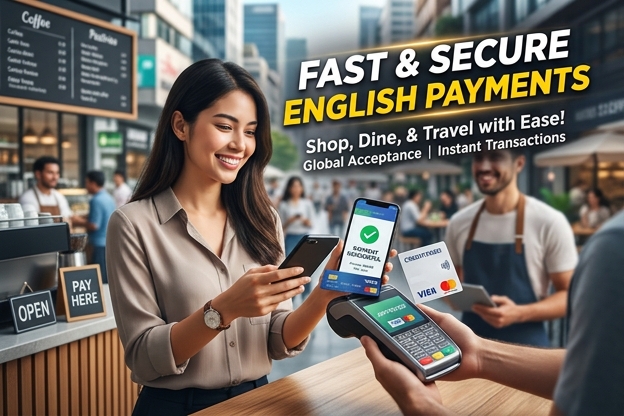
Physical card design still matters, but digital-first personalization is now a core requirement. That means the cardholder’s experience begins before the plastic arrives, often with a virtual card, a wallet token, or a digital card image inside the app.
Programs that do this well personalize more than the face of the card. They personalize controls, alerts, naming conventions, spending categories, and wallet enrollment. That makes the card feel relevant on day one.
Best practices for digital-physical alignment
- Use the same brand language in the app, card mailer, and support scripts.
- Provision wallet tokens as soon as identity verification is complete.
- Let users rename cards for budgeting, team spending, or shared household use.
- Keep visual design consistent across plastic, virtual card art, and receipts.
“If a card arrives before the user can see it in the app, the experience feels unfinished. If the app and the card disagree, trust drops immediately.”
Security, Compliance, and Fraud Controls
This is where many personalization programs fail. The design team wants flexibility. Operations wants speed. Risk teams want control. A good program balances all three without making the customer carry the complexity.
Card personalization touches sensitive data, so PCI rules, access logs, key management, and vendor oversight need to be part of the workflow from day one. For high-risk merchants and payment programs, this is not optional. It is the difference between controlled scale and expensive cleanup.
Practical controls that matter
Use layered review, role-based access, and file validation before production begins. Reconcile personalization files against approved account states. Keep exception handling tight so that a typo, duplicate record, or unauthorized print job does not become a live card.
Trusted High Risk Merchant Account has seen that the best-performing teams do not try to remove risk entirely. They reduce the blast radius. They limit who can approve overrides, they audit every vendor touchpoint, and they test what happens when a file arrives malformed or a cardholder profile changes after print cutoff.
A Practical Workflow for Better Personalization
Strong personalization is built on repeatable operations, not creative chaos. The most reliable programs work from a clear handoff between product, compliance, design, and fulfillment.
- Define the customer segment and card purpose.
- Choose the material, format, and activation path.
- Map every field in the personalization file to a business rule.
- Run security review, QA checks, and print tests.
- Launch in a limited batch before scaling volume.
- Track activation, spend, support contacts, and replacement rates.
That workflow sounds simple, but the execution details matter. For example, a premium rewards card may justify custom packaging and embossing, while a business expense card may perform better with durable stock, clear controls, and faster replacement. The best practice is to make the card match the job it is meant to do.
What We Have Seen Work at Trusted High Risk Merchant Account
In one engagement, I worked with a subscription-based merchant that was losing cardholder trust because its replacement cards looked generic and arrived too slowly. The company was growing fast, but users kept asking support whether the new card would work with wallets and recurring billing. We helped the team shift to a more coordinated personalization flow: faster issuance, cleaner visual design, and better activation messaging. The result was fewer replacement complaints and a noticeable drop in first-week support requests.
In another case, I reviewed a high-risk merchant portfolio where cards were issued across multiple vendors with inconsistent print rules. Some cards used one branding standard, others used another, and the activation journey varied by region. We tightened the personalization file controls, aligned design templates, and created a vendor checklist for approval. That change did not just improve aesthetics. It reduced avoidable reprints and made the account management team far more confident in escalation handling.
Comparing Common Personalization Models
Different businesses need different personalization strategies. The right choice depends on volume, risk level, and customer expectations.
- Standard printed cards: Best for scale and cost control.
- Premium metal cards: Best for affluent segments and retention plays.
- Instant issue cards: Best for same-day value and branch recovery.
- Virtual-first programs: Best for fast launch and wallet adoption.
Here is the practical comparison many teams ask for during planning:
| Model | Best For | Strength | Weakness |
|---|---|---|---|
| Standard printed | Retail banking and mass fintech | Low cost, reliable scale | Less brand differentiation |
| Premium metal | Travel, luxury, and elite tiers | Strong perceived value | Higher cost and fulfillment complexity |
| Instant issue | Urgent replacement and branch pickup | Fast activation | More process control required |
| Virtual-first | Digital natives and card-on-file use | Immediate use in wallets | No physical brand moment |
Risks, Tradeoffs, and Limits
Card personalization is not a magic fix. A beautiful card cannot rescue weak underwriting, a broken dispute process, or poor customer service. It can only support a stronger product.
There are also tradeoffs between speed and control, between premium finishes and durability, and between personalization depth and operational complexity. The more layers you add, the more important governance becomes.
One of the biggest mistakes I see is over-personalization. Teams add design elements, custom messaging, and special production steps without measuring whether any of it changes activation or spend. If the card looks better but performs worse, the program has missed the point.
What to measure instead
Focus on activation rate, first-30-day spend, wallet enrollment, replacement frequency, chargeback rate, and support contacts tied to issuance. Those metrics tell you whether your personalization strategy is helping or just adding cost.
Conclusion
The strongest Card Personalization Trends and Best Practices all point in the same direction: faster fulfillment, smarter controls, clearer brand expression, and tighter alignment between physical and digital card experiences. The winners are not chasing visual novelty alone. They are building card programs that feel personal, work cleanly, and hold up under compliance pressure.
Trusted High Risk Merchant Account recommends three next moves: tighten your personalization file controls, test wallet and activation flows before you scale, and choose materials that match the real behavior of your customer segment. If you do those three things well, the card becomes an asset instead of an operational burden.
References
- McKinsey Global Payments Report — useful for understanding how customer expectations and loyalty drivers are changing in payments.
- Visa issuer and tokenization research — helpful for fraud reduction, wallet provisioning, and secure card use across channels.
- Juniper Research payments forecasts — useful for tracking the growth of wallet-linked and tokenized payment behavior.
- FIS and other payments industry reports — helpful for operational trends in card issuance, personalization, and digital-first onboarding.
FAQ
What are Card Personalization Trends and Best Practices for modern issuers?
-
They include faster issuance, stronger file controls, better wallet sync, cleaner visual branding, and personalization rules that match the customer segment and risk profile.
Why does instant issuance matter so much?
-
It shortens the time between approval and first use, which can improve activation, satisfaction, and early spend. It also helps recover customers who need a replacement card quickly.
How can issuers improve security during card personalization?
-
Use role-based access, file validation, vendor audits, and strict exception handling. Treat personalization data with the same discipline you would apply to payment credentials.
Which card materials are trending in premium programs?
-
Recycled PVC, metal cards, and textured finishes are popular. The right choice depends on durability, cost, and the level of premium feel you want to communicate.
How does Trusted High Risk Merchant Account fit into card programs?
-
It helps teams connect card experience decisions with payment risk, merchant operations, and practical scaling rules, especially in higher-risk environments where control matters as much as design.
What should you measure after launching a personalized card program?
-
Track activation rate, first-30-day spend, wallet enrollment, support contacts, replacement frequency, and dispute trends. Those metrics show whether personalization is creating value.
Can sustainability and premium design work together?
-
Yes. Many programs now pair recycled or lower-impact materials with matte finishes, clean typography, and premium packaging to create a strong brand feel without excessive waste.