Why E Commerce Payment Processing Deserves More Attention
If your checkout leaks sales, gets flagged for fraud, or leaves customers wondering whether their card data is safe, revenue problems pile up fast. That is why e commerce payment processing: What It Is, How It Works, and Best Practices matters so much to online businesses that want steady approvals, clean customer experiences, and fewer chargebacks.
For merchants selling in regulated, subscription-based, or high-risk categories, the stakes are even higher. Trusted High Risk Merchant Account works with businesses that need more than a generic processor. The right setup can raise authorization rates, reduce declines, support global sales, and protect margins that are often lost to avoidable payment friction.
E commerce payment processing is the system that securely moves a customer’s payment information through the checkout flow, requests approval from the issuing bank, and deposits approved funds into the merchant’s account. It includes the gateway, processor, acquiring bank, fraud tools, and settlement workflow that turn an online order into actual revenue.
When it works well, shoppers barely notice it. When it fails, merchants feel it immediately through cart abandonment, false declines, delayed payouts, and compliance risk.
Table of Contents
- What e commerce payment processing really means
- How the payment flow works from click to settlement
- The core components behind every online transaction
- How payment needs change by business model
- Best practices that improve approvals and lower risk
- Common mistakes that cost merchants money
- What we have seen in real merchant scenarios
- How to choose the right provider
- Where e commerce payment processing is heading
What E Commerce Payment Processing Really Means
Many merchants think payment processing starts and ends with a checkout button. In reality, it is an interconnected system that verifies cardholder data, screens for risk, submits authorization requests, routes approvals or declines, and settles funds. It also determines how securely data is handled, how disputes are managed, and how quickly cash lands in your account.
At a practical level, payment processing affects four things every merchant cares about:
- Whether customers can pay with their preferred method
- How many transactions are approved on the first try
- How much revenue is lost to fraud, chargebacks, and false declines
- How fast funds are settled and made available
According to the Baymard Institute’s 2024 checkout research, extra costs, trust concerns, and overly complicated checkout flows remain major contributors to cart abandonment. Payment processing sits right in the middle of those issues because it shapes trust signals, payment options, and friction at the final conversion moment.
How the Payment Flow Works From Click to Settlement
The mechanics matter because each handoff creates an opportunity for approval, delay, or failure. Once you understand the flow, you can diagnose why certain payments decline and where to improve.
The Transaction Journey
- The customer enters card or alternative payment details at checkout.
- The payment gateway encrypts the data and sends it securely for processing.
- The processor forwards the transaction to the acquiring bank and relevant card network.
- The issuing bank checks available funds, card status, fraud signals, and authentication results.
- The issuer returns an approval or decline code.
- If approved, the order is confirmed and the transaction moves into settlement.
- Funds are captured, batched, cleared, and deposited into the merchant account after fees.
That sequence may happen in seconds, but small technical decisions shape the result. Address verification settings, 3D Secure logic, retry rules, recurring billing flags, MCC alignment, and descriptor clarity all influence whether a bank sees the transaction as trustworthy.
The Core Components Behind Every Online Transaction
Strong payment infrastructure is built from several moving parts, not one vendor logo on a website footer.
Payment Gateway
The gateway captures and encrypts customer payment data at checkout. It acts as the secure bridge between the customer, your site, and the processing ecosystem.
Payment Processor
The processor handles the communication that moves the transaction through the networks and banks. This is where speed, reliability, and processing logic start to influence approval performance.
Merchant Account
The merchant account temporarily holds approved funds before settlement into your business bank account. For high-risk merchants, the structure of this account can affect reserves, rolling holdbacks, payout timing, and underwriting flexibility.
Acquiring and Issuing Banks
The acquiring bank works with the merchant to accept payments. The issuing bank represents the cardholder and decides whether to approve or reject the transaction. Approval rates often depend on how clearly the issuer understands the purpose and risk of the transaction.
Fraud and Compliance Layer
This includes tokenization, PCI controls, device fingerprinting, velocity rules, 3D Secure, AVS, CVV checks, and chargeback monitoring. According to LexisNexis Risk Solutions’ 2024 fraud research, digital commerce fraud pressure continues to rise as businesses add channels and payment methods. That means security tools must be tuned, not simply turned on.
“A good payment stack does two jobs at once: it makes honest customers glide through checkout while forcing risky transactions into tighter review. Merchants lose money when those two paths are not separated well.”
How Payment Needs Change by Business Model
Not every merchant needs the same setup. A low-ticket apparel store and a subscription nutraceutical brand may both sell online, but their payment risks, fraud patterns, and bank relationships can be completely different.
| Business Type | Typical Payment Challenge | Best Processing Focus | Key Risk Watchpoint |
|---|---|---|---|
| Subscription supplements | Recurring billing declines and refund disputes | Account updater, smart retries, clear descriptors | Chargeback ratio spikes |
| CBD and alternative wellness | Underwriting restrictions and processor instability | High-risk merchant account with compliant bank placement | Sudden account termination |
| Digital services and coaching | Friendly fraud and delayed fulfillment claims | Compelling proof of delivery and dispute response tools | Cardholder misunderstanding |
| International apparel brand | Cross-border declines and currency friction | Local payment methods and multi-currency checkout | False declines from issuers |
| Online ticketing or events | High-volume bursts and refund timing pressure | Scalable gateway and reserve planning | Refund surge after schedule changes |
According to Statista’s 2025 global e-commerce projections, digital commerce continues to expand across borders and devices. That puts more pressure on merchants to support wallets, localized payment methods, and better issuer communication.
Best Practices That Improve Approvals and Lower Risk
The strongest processors do not just move payments. They create operating leverage. These practices tend to produce the best outcomes for online merchants.
Keep Checkout Friction Low but Intentional
Ask only for the data needed to complete the order and authenticate risk. Too many fields can depress conversion, but too little verification can invite fraud. The right balance depends on your ticket size, product category, and fraud profile.
Use Tokenization and PCI-Safe Architecture
Never store raw card data unless absolutely necessary and fully compliant. Tokenization reduces exposure, supports one-click payments, and lowers the operational stress tied to data security obligations.
Optimize Recurring Payments
Subscription merchants should use card account updater services, clear billing schedules, retry logic based on issuer behavior, and pre-billing reminders. These tactics reduce involuntary churn and prevent avoidable disputes.
Monitor Decline Codes Closely
Do not lump all declines together. Separate hard declines from soft declines, then review issuer patterns, geography, card types, time of day, and recurring versus first-time payments. That level of granularity often reveals money left on the table.
Match Your Processor to Your Risk Profile
Some businesses outgrow mainstream providers quickly. High-risk, continuity, travel, gaming-adjacent, or regulated merchants often need underwriting that understands their model rather than penalizes it.
Build a Dispute Defense Process Before You Need It
Chargeback response should not start after the first alert arrives. Keep fulfillment records, customer communication logs, refund policies, cancellation flows, IP data, and billing terms organized from the start.
“Merchants often focus on transaction fees and ignore the hidden cost of bad approvals, poor descriptors, and weak dispute management. Those losses can outweigh headline pricing very quickly.”
Common Mistakes That Cost Merchants Money
Even strong brands lose revenue when their payments setup is treated like a one-time technical install instead of a live profit system.
- Choosing a provider based only on rate, not approval quality or underwriting stability
- Sending all transactions through one route with no backup strategy
- Ignoring soft decline retry logic for subscriptions or international orders
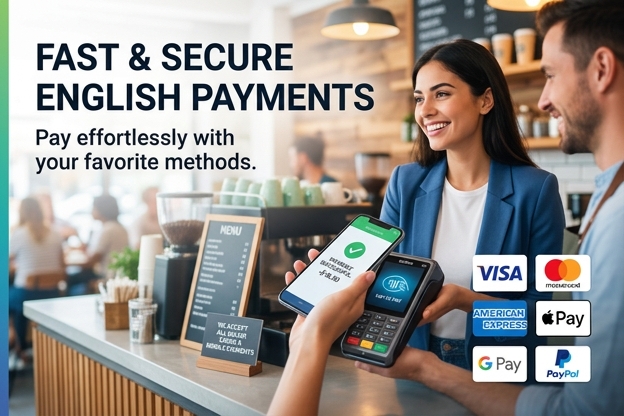
- Offering too few payment methods for mobile and global customers
- Using vague refund and cancellation terms that drive preventable disputes
- Failing to reconcile chargeback alerts, reserves, and payout timing regularly
There are also real trade-offs. More fraud controls can reduce fraud but also increase false declines. More payment options can raise conversion but complicate reconciliation. Faster scaling can attract more processor scrutiny if volume grows beyond the original underwriting profile. Good payment leadership means managing these tensions deliberately.
What We Have Seen in Real Merchant Scenarios
I have worked with merchants who assumed their biggest problem was traffic, only to find that payment friction was cutting conversions after customers had already decided to buy. One subscription merchant came to Trusted High Risk Merchant Account after dealing with recurring declines, unclear reserves, and a processor that stopped supporting its category without much warning. After reviewing decline codes, billing cadence, descriptor issues, and dispute patterns, we helped restructure the account setup and recurring payment logic. Within a few billing cycles, the merchant saw cleaner approvals, fewer customer complaints, and more predictable cash flow.
In another case, I saw an online wellness brand lose strong international demand because its checkout accepted cards but was poorly tuned for cross-border issuer behavior. The brand had healthy traffic and solid offer-market fit, yet orders from several countries failed too often. Trusted High Risk Merchant Account helped the business move to a better-aligned high-risk processing structure, improve fraud screening rules, and tighten customer communication around recurring terms. The result was not just more approvals. The support team also spent less time handling confusion around rebills and statement descriptors.
These examples matter because they show a simple truth: payment processing is not just back-office plumbing. It changes conversion, retention, operations, and brand trust all at once.
How to Choose the Right Provider
Merchants should evaluate providers based on operational fit, not sales language. If your business model is even slightly complex, generic onboarding promises are not enough.
Questions Worth Asking Before You Sign
- Does the provider have direct experience with my industry and risk level?
- What are the expected reserve terms, payout windows, and settlement schedule?
- How are chargebacks monitored, and what tools are available for prevention?
- Which payment methods, currencies, and countries are supported?
- Can the provider support recurring billing, tokenization, and account updater services?
- What happens if volume spikes or the business expands into new product lines?
Signs of a Better-Fit Partner
A better-fit partner explains underwriting clearly, sets realistic expectations, and reviews your business model in detail before placement. For higher-risk merchants, that honesty matters more than a too-good-to-be-true rate quote. A stable processing relationship is usually worth more than saving a few basis points while risking account instability.
According to the Federal Trade Commission’s ongoing guidance and enforcement activity through 2024 and 2025, transparent billing, clear negative-option disclosures, and fair cancellation practices remain central to reducing consumer complaints and payment disputes. That makes provider fit partly a compliance decision, not just a technical one.
Where E Commerce Payment Processing Is Heading
Processing is getting smarter, but also more demanding. Merchants should expect more emphasis on real-time risk scoring, network tokenization, wallet adoption, and localized payment experiences. Artificial intelligence is improving fraud detection, yet issuers and processors are also becoming less tolerant of unclear billing behavior and poorly disclosed subscription terms.
Another important shift is orchestration. More merchants want the ability to route payments dynamically across gateways, acquirers, or regions based on cost, approval performance, and risk signals. That approach can improve resilience, especially for businesses that operate internationally or in sensitive verticals.
At the same time, customer expectations are getting stricter. People want fast checkout, instant confirmation, clear billing descriptors, and simple refunds. Payment operations that fail those expectations create trust gaps that marketing alone cannot fix.
Conclusion
E commerce payment processing affects revenue more deeply than most merchants realize. It shapes conversion at checkout, approval quality after submission, dispute exposure after fulfillment, and cash flow after settlement. For standard and high-risk online businesses alike, the strongest setup is one that fits the business model, supports growth, and balances fraud prevention with customer ease.
Trusted High Risk Merchant Account recommends these next steps:
- Audit your current checkout for decline patterns, payment friction, and missing payment methods.
- Review whether your processor truly fits your vertical, risk level, and subscription or cross-border needs.
- Build a written plan for chargeback prevention, descriptor clarity, and recurring billing transparency.
References
- Baymard Institute, 2024 checkout research: provided current data on cart abandonment and checkout friction.
- LexisNexis Risk Solutions, 2024 fraud research: highlighted ongoing digital commerce fraud pressure and the cost of weak controls.
- Statista, 2025 e-commerce projections: supported the growth outlook for global online commerce and payment complexity.
- Federal Trade Commission, guidance and enforcement activity through 2024 and 2025: reinforced the importance of transparent billing and cancellation practices.
FAQ
What is e commerce payment processing?
-
It is the secure system that collects a shopper’s payment details, sends the transaction for bank approval, screens for fraud, and settles funds into the merchant’s account. It covers the gateway, processor, acquiring bank, issuing bank, and settlement workflow.
Why do so many online payments get declined?
-
Declines happen for several reasons, and not all of them mean the cardholder is risky. Common causes include:
-
Insufficient funds or expired cards
-
AVS or CVV mismatches
-
Issuer fraud filters or unusual purchase behavior
-
Poor recurring billing indicators or weak cross-border optimization
How does e commerce payment processing: What It Is, How It Works, and Best Practices help merchants grow?
-
When merchants understand e commerce payment processing: What It Is, How It Works, and Best Practices, they can improve approvals, reduce false declines, support subscriptions and international sales, and cut avoidable chargebacks. That usually translates into better conversion, stronger retention, and healthier cash flow.
What payment methods should an online store offer?
-
Most stores should support a mix that matches their audience, such as:
-
Major credit and debit cards
-
Digital wallets like Apple Pay or Google Pay
-
Local payment methods for important international markets
-
ACH or bank transfer options when average order value is higher
What is the difference between a gateway and a processor?
-
The gateway securely captures and transmits payment data from the checkout page, while the processor handles the transaction routing between networks and banks. Many providers bundle both, but they serve different roles.
How can high-risk merchants reduce chargebacks?
-
High-risk merchants usually see better results when they combine several controls:
-
Clear billing descriptors and transparent terms
-
Better fraud rules and customer verification
-
Fast customer support and visible refund policies
-
Strong documentation for fulfillment and dispute responses
When should a merchant switch payment providers?
-
It may be time to switch if approval rates are consistently weak, payouts are unpredictable, chargeback support is limited, your industry is no longer supported, or the provider cannot handle recurring billing, international growth, or high-risk underwriting needs.